
The information provided on this site is for educational purposes only and does not substitute for professional medical or psychological advice. Consult a medical professional or healthcare provider for advice, diagnoses, or treatment. All the Anxieties is not liable for risks or issues associated with using or acting upon the information on this site.
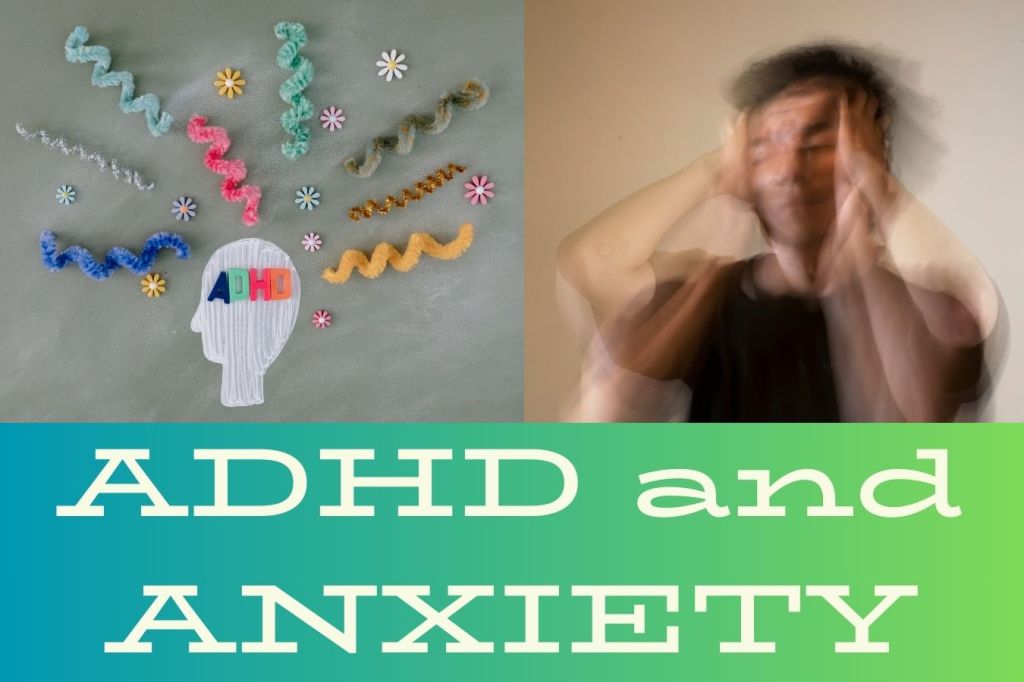
Neurodevelopmental disorders can result in higher chances of developing an anxiety disorder, and ADHD is the most likely to result in a comorbid Anxiety Disorder. With the surge in Anxiety diagnoses and ADHD diagnoses, it’s probably time to have an open conversation about ADHD and Anxiety, what to look for, and how to help.
ADHD has a long list of diagnostic criteria and when most people look through the list, or simply hear the term “ADHD” they tend to think of a super hyper person who can’t stop moving, talking or doing. While this can be true to a certain extent for some people with an ADHD diagnosis, ADHD is more than just a hyperactive diagnosis.
Inattention is also a major hallmark of ADHD and should not be ignored, nor should emotional reactivity. With Inattention, people often lose track of time, get lost in their own thoughts, or go “blank” without cause. Not being able to keep track of yourself or meet expectations can result in stress and heightened emotional reactions- something that can cause social or work related challenges which can then lead to feelings of anxiety or a full blown anxiety disorder.
ADHD Diagnostic Criteria
“ADHD is a persistent pattern of inattention and/or hyperactivity-impulsivity that interferes with functioning or development.” -DSM 5
Depending on your predispositioning or life circumstances, you may experience ADHD from a milder perspective where ADHD only leads to milder impairment, all the way through to severe symptoms with severe impairment. Severe ADHD is characterized as someone who meets more than the necessary minimum of criteria for diagnosis and struggles socially or occupationally.
Inattentive ADHD
For the Inattention side of an ADHD diagnosis, at least six of the following criteria need to be met for a period of at least six months. These traits are displayed ‘often’ and impair your functionality or development with school, work, or in social situations.
- Fails to give close attention to details or makes careless mistakes
- Has difficulty in sustaining attention in tasks
- Play activities
- Work
- Lectures
- Lengthy reading
- Maintaining conversations
- Does not appear to listen during conversations
- Even without obvious distractions
- Does not follow through with instructions at school, work or home
- May start tasks, but loses focus easily
- Has difficulty with organization
- Common to have a messy room
- Difficulty with organizing or sequential-based tasks or activities
- Disorganized work
- Fails to meet deadlines
- Poor time management
- Shows avoidance, dislike, or distaste for tasks that require sustained mental effort
- Doing homework
- Completing papers
- Preparing reports
- Completing forms
- Reviewing lengthy papers
- Often loses belongings essential to completing daily tasks
- Easily distracted by physical stimuli or by own thoughts
- Forgetful about daily activities
- Doing chores
- Keeping appointments
- Paying bills
In children under the age of 17, Inattention can not be solely attributed to behavioral issues or a failure to understand different tasks or instructions. For adults, 5 or more of the above criteria are enough to constitute an ADHD diagnosis.
Hyperactive ADHD
These criteria are probably the more commonly known or associated symptoms of ADHD and six or more of these criteria (combined with impulsivity), over the course of six months, are needed for a diagnosis. The following behaviors are also described as being shown ‘often’.
- Fidgeting, tapping, or squirming with hands or feet.
- Leaves seat in situations where remaining seated is expected
- Runs or climbs in situations where it is inappropriate.
- May also be shown as a generally restless feeling.
- Unable to play or participate in leisure activities in a quiet manner.
- Constantly ‘on the go’ or ‘driven by a motor’, or generally restless behavior that is hard for others to keep up with.
- Talks excessively
Impulsivity ADHD
Impulsivity can lead to social stigmatization and is where an ADHD person can become perceived as ‘rude’, leading to potential social anxiety in a person with ADHD.
- Interrupting
- Blurts out answers to questions before they are completed asking
- Completes others’ sentences
- Doesn’t wait for their turn in conversations
- Has trouble waiting their turn , i.e. in line.
- Interrupt/Intrude
- Uses others’ belongings without asking
- Butts into other peoples’ conversations
- May intrude or take over other peoples’ activities
Other ADHD Diagnostic Criteria
Since not everyone fits the same mold, it is also possible for you to qualify for a diagnosis if:
- You exhibit several of the above criteria before the age of 12
- You exhibit several criteria from different types of ADHD (inattentive vs. hyperactive-impulsive) in a couple of different situations (social,work,school)
- There is clear evidence that your symptoms interfere with your social, academic, work functionality.
- Your symptoms are not better explained by:
- Schizophrenia
- Psychotic disorder
- Mood disorders
- Anxiety disorders
- Personality disorder
- Dissociative disorder
- Substance use or withdrawal
ADHD Presentations
It is possible to have a Combined Presentation of both Inattentive, Hyperactive-Impulsive ADHD, where you have symptoms from all three categories. But it is also possible to have Inattention specific ADHD, or predominantly Hyperactive-Impulsive ADHD. Whichever method of presentation, the symptoms need to be exhibited for at least six months to qualify for a diagnosis.
ADHD Remission
ADHD is a neurodevelopmental disorder, so achieving remission takes intentionality. Some people (30-70%) will find at least partial remission or cyclical remission. Partial Remission is where you no longer experience 6 or more criteria, but still struggle with functionality. Roughly 10% of the ADHD population will be able to find full, lasting remission where their challenges are dealt with either through natural brain development, medication or talk therapy.
As we talk about remission, though, it is possible that you may still experience challenges, but learn how to better deal with them, or (especially if you are diagnosed as a child) you build your adult life in a way that creates an environment that is easier for you to thrive in. Also- brains do normalize more as you age, and you can compensate for an area of struggle by building in other skills or coping mechanisms to balance out your challenges.
Things that exacerbate your ADHD, or make it more difficult to deal with, is the mental health of the home you grow up in. The more anxious your childhood home, the more likely you are to experience an ongoing struggle with ADHD, something that is also true of people who struggle with Anxiety.
ANXIETY
Anxiety feeds off stress and anxiety inducing situations like meeting deadlines, or operating in a socially acceptable manner that a person with ADHD might naturally come to dread. Everyone is different, but there are a variety of anxiety disorders that could grow out of ADHD challenges.
If you’ve been scolded over and over again for interrupting or told that you’re rude for being excessively verbal, developing some form of Social Anxiety is perfectly understandable. Maybe managing your ADHD has led to routines or rituals that have become obsessive and led to a form of OCD that is making it even harder to deal with everyday life. Maybe you’ve managed your ADHD so well that you become high functioning, but now deal with burnout and High Functioning Anxiety.
Below is a list of Anxiety Disorders, as well as a brief description. If you think you may have one of these, feel free to read more to gain a better understanding of what type of Anxiety you are dealing with. Then, make sure to share it with a knowledgeable professional who can help you to deal with your Anxiety in an ADHD friendly way.
Types of Anxiety Disorders
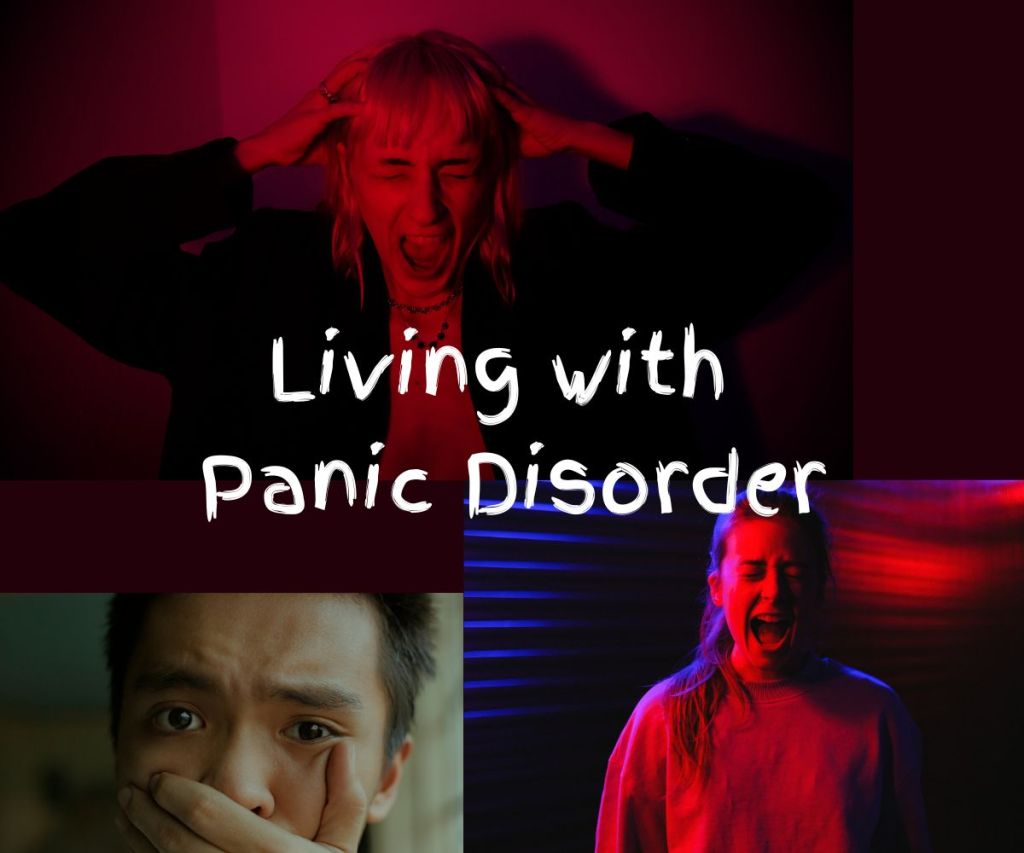
- Panic disorder
- Unexplained, recurrent panic attacks
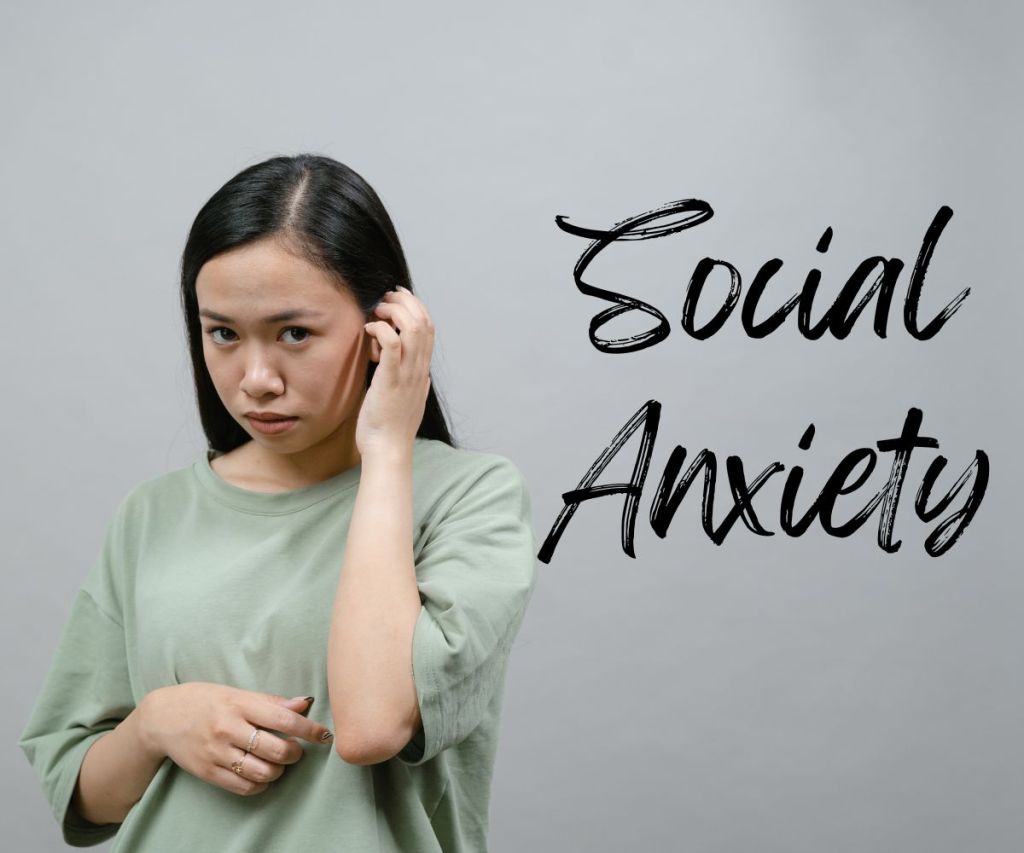
- Social Anxiety
- Significant anxiety about being around others
- Generalized Anxiety Disorder
- Uncontrollable worry about future events
- Specific Phobias (individualized fears)
- Caused by specific objects/events that are benign
- OCD
- Characterized by routines that can impede a person’s basic ability to function
- Separation Anxiety
- Characterized by excessive fear about being separated from a person’s home or loved ones
- Agoraphobia
- Extreme or irrational fear of crowded or open spaces, fear of places with no possible escape routes, and fears of leaving home
- PTSD
- Occurs after experiencing a shocking event that threatens a person’s life or well-being
- C-PTSD
- The result of chronic trauma or ongoing denial of your basic needs
- Selective Mutism
- A manifestation of the ‘freeze’ response: a person who is capable of speech stops talking around a specific person or trigger
- Health anxiety
- The constant worry that you are ill or will become ill soon
- High Functioning Anxiety
- Characterized by being highly organized, overly prepared, and perfectionistic
- More common in women
- Not readily diagnosed as people with HFA don’t necessarily experience the same symptoms as everyone else with other forms of anxiety
Dealing with Anxiety and ADHD
Finding ways to cope with Anxiety and ADHD starts with managing your health. If you can prioritize taking care of yourself, managing your stress levels and building an environment or lifestyle that works best for you, then achieving remission will be much easier!
Get Moving!
It’s okay to move to help with your ADHD. Not only will it allow you to work out some of the extra energy you feel, but the endorphins from the movement, not to mention the feeling of accomplishment from finding a practical way to help yourself will be worth the effort!
Build into Healthy Habits
Exercise is only one part of the equation. Eating healthy and maintaining healthy relationships keeps you at your best. Also- eliminate unhealthy dietary choices like caffeine and alcohol, and manage your stress levels with proper rest.
Keep it Organized!
Whether it’s your home or your time, if you get rid of the things that look unorganized, or add structure to an unstructured environment (like your time) then your chances of leading a fulfilling life go up. It may take some time and effort, or even trial and error to find the right balance, but organizing is actually a boon to your mental health and productivity. Scheduling your time down to five minute increments might sound obsessive, but if that’s what it takes to keep ahead of the stress of an impending deadline, micro time management may be your friend.
Manage your mindset
It’s easy to get in a rut of negativity and self-doubt- we’re all human and it happens. When you don’t feel like you’re doing as well as you ‘should be doing’, just remember that you can only do as each day allows for. Some days will be good days, others will be more challenging. Let go of the minutiae, and try for the best you can do, moment to moment, hour to hour, day to day. And when it’s time to rest, that’s okay.
As you make any changes to your home or routine, give yourself time to figure out what works best for you, and give yourself some grace- nobody’s perfect, so you shouldn’t have to be either. Do the best you can to lead your best life and give up all comparisons. You’re a unique human being. Live your life like there’s no one else who can do what you do, the way you do it. (Because that’s the truth.)
May God Bless and Keep You.
















 All The Anxieties
Leave a comment