The information provided on this site is for educational purposes only and does not substitute for professional medical or psychological advice. Consult a medical professional or healthcare provider for advice, diagnoses, or treatment. All the Anxieties is not liable for risks or issues associated with using or acting upon the information on this site.
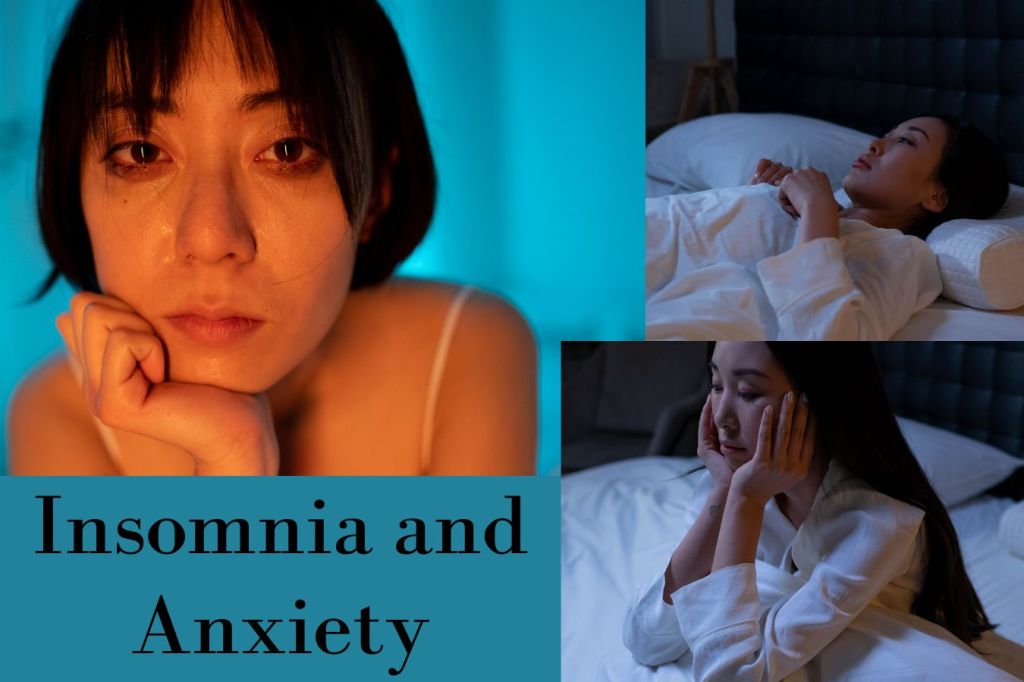
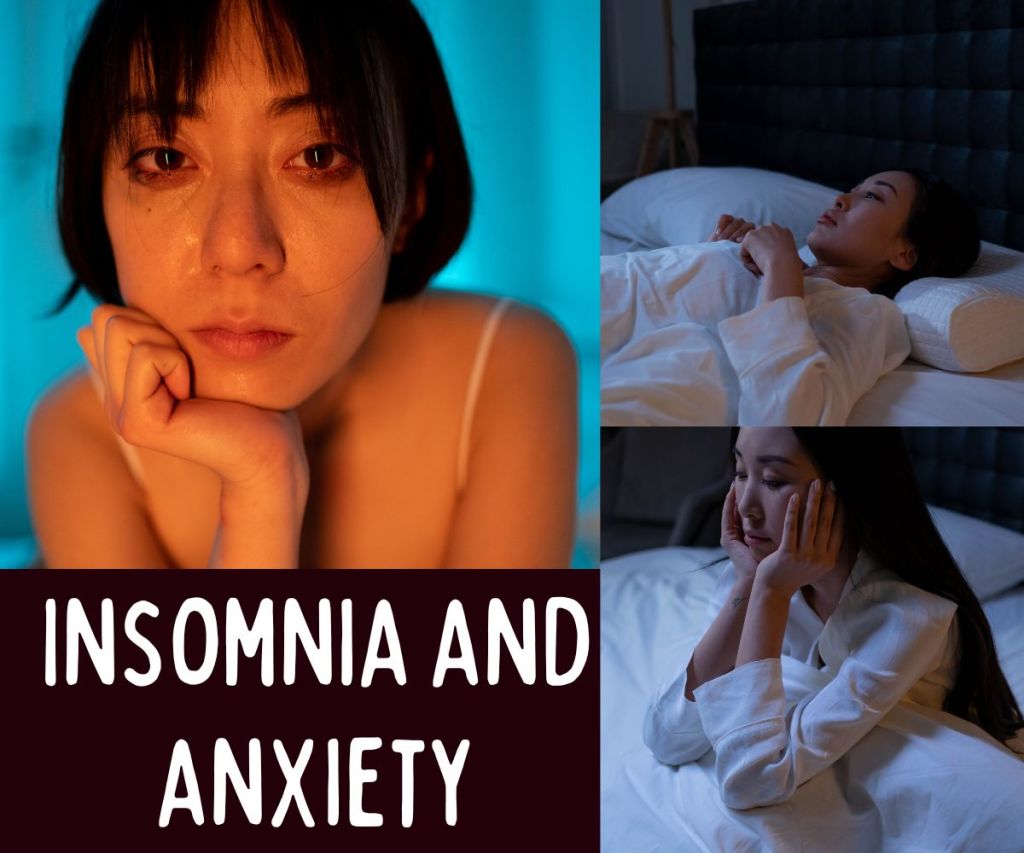
Anxiety can manifest in dozens of ways, but sleep disturbances like insomnia are one of the more common complaints from Anxiety sufferers. But where is the line between a sleeplessness due to insomnia or a co-existing sleeping disorder? And if there are two disorders present, which came first, and how should they be treated?
Insomnia and Anxiety
There is a heavy correlation between Insomnia and Anxiety. Where one is present, there is usually at least a 24% chance that the other will develop in the same person. Lack of sleep aggravates your symptoms of Anxiety, while your current Anxiety levels, or type of Anxiety, can affect your ability to get restful sleep. The underlying cause of either diagnosis can vary, depending on the person, but how each is treated is important.
Insomnia Diagnosis
To receive an Insomnia diagnosis, there are several sets of criteria to meet:
- There must be a complaint about your sleep quality or quantity
- You may experience difficulty getting to sleep -OR-
- You may experience difficulty staying asleep -OR-
- You may wake early and be unable to get back to sleep
- These complaints should have at least a 3 month history to qualify for a disorder.
- Your sleep disturbance should cause significant enough stress to impair your social, academic, work, behavioral or other areas of functioning.
- Your sleep difficulties occur at least three times per week.
- Your sleep difficulties occur even though you have ample time to get a proper night’s rest.
- Your sleep difficulties cannot be better explained by another sleep-wake disorder.
- i.e. narcolepsy, sleep apnea, etc.
- Your sleep difficulties cannot be better (or ‘adequately’) explained by any mental health disorder.
- Your sleep difficulties cannot be a result of medication or drug use/abuse.
Despite the exclusions for an Insomnia diagnosis, there are regulations within the DSM-5 approved diagnosis that allow for comorbid sleeping disorders, mental health disorders or other physical health issues to also be present when diagnosed with Insomnia.
There are also be different types of Insomnia:
- Episodic: when your symptoms meet all the criteria, but last between 1 and 3 months, instead of consistently for 3 or more months.
- Persistent: when your symptoms last for 3 or more months.
- Recurrent: when you have 2 or more episodes of Insomnia within a full year.
- Acute: (technically a different diagnosis) when your symptoms are just as severe as with a traditional Insomnia diagnosis, especially in regards to impairment, but your symptoms don’t make the 3 month mark.
To read about common symptoms of Anxiety, click here.
Anxiety Induced Insomnia
If you struggle with Insomnia for several years, not only are you likely to have physical health issues, but you are more at risk for developing a mental health disorder. Treatment for your mental health disorder, though, may not be as streamlined, given your underlying issues with Insomnia (classified as a sleep-wake disorder according to DSM-5).
Treatment preference is usually given to the underlying disorder, causing a potentially significant delay in treatment of the second disorder. In this case, where Insomnia came first, Anxiety can be left untreated. Cognitive Behavioral Therapy, appropriate medications and other forms of treatment could easily be excluded from the outset, leading to an even poorer quality of life, and exacerbated symptoms of Insomnia.
For non-clinical Anxiety, your symptoms may increase or decrease in intensity along with your symptoms of Insomnia, and therefore be excluded from a formal diagnosis as well.
There is an area of your brain, the medial prefrontal cortex, that deactivates after a sleepless night, leading to an increase in anxiety of around 30%. Deep sleep, on the other hand, keeps the brain from becoming too heavy-handed with physiological reactivity and instead better regulates your emotions.
As someone who’s dealt longterm with Insomnia and also Anxiety, I can tell you there is a definite correlation between my sleep patterns and an unmanageable exacerbation of my Anxiety symptoms. Research shows that proper sleep is crucial to managing Anxiety, but this isn’t often talked about enough. Sleep helps to keep your brain balanced and in control. Whether or not you experience emotional or physiological stressors, what is clear is that you will experience heightened Stress and Anxiety if you have even so much as a single night’s poor sleep. Sleep gives you resilience and a chance to be at your best.
That said, Insomniacs don’t often seek professional help. Why?
We’re used to it. Mornings might be harder after a night without sleep, but somehow, we tend to function well enough, albeit while feeling fatigued, but we can get along well enough without a full 8 hours. So why seek help?
If you’re reading this post, I’m sure you’ll understand that the answer to that is preventative care. Having an accurate diagnosis and treatment plan in place to help you out is always worth the time and effort.
Insomnia caused by Anxiety
There are multiple forms of Anxiety that can lead to sleep disturbances. Regardless of the type, though, it is thought that Anxiety disturbs the pathways that help you maintain a healthy sleep-wake relationship. This happens because of the ‘false alarm’ levels of stimulation associated with Anxiety that lead to you being in a state of ‘dysfunctional arousal’. Being able to turn off this hyper-activated mode is difficult as Cognitive Behavioral Therapy for Anxiety doesn’t talk about the learned patterns that evolve from repeated sleep disturbances consistent with Primary Insomnia.
Chemical imbalances in the neurotransmitter systems that govern sleep regulation are present in those with Anxiety disorders so sleep problems aren’t just a matter of cognitive therapy treatment, or developing healthy bedtime rituals. Treatment that emphasizes Insomnia as its’ own coexisting primary diagnosis, instead of a secondary diagnosis, or even one of a list of symptoms of Anxiety can become necessary.
Research has been done to determine which diagnosis tends to be the originating diagnosis, and Anxiety has been found to be more commonly the first disorder people experience whenever they experience both Insomnia and Anxiety. With problems like nighttime panic attacks or night related forms of Anxiety, it’s not hard to imagine how easy it is for a diagnosis of Insomnia to eventually present after dealing with Anxiety.
Tips for Insomnia and Anxiety
Give each disorder equal importance when speaking with a healthcare professional
Giving equal importance to both diagnoses is the first step to pursuing healing for yourself. Clinical levels of Insomnia and Anxiety alone can cause enough impairment to interfere with your life. If you have both, make certain that you report both issues while giving each significant importance so your concerns aren’t undermined by a lack of provider understanding.
If you had Insomnia first, don’t neglect your mental health and resultant behavioral patterns
If you struggled with Insomnia first, seek treatment for that, but keep in mind how important your mental health is, and ensure that any medical professionals you work with are aware of both your diagnoses, and all your symptoms. It may be helpful to get documentation so neither diagnosis winds up being left untreated. Also, keeping a sleep journal may help you better understand your challenges with establishing a healthy sleep routine or give your health care provider better insight into how to treat you.
If you had Anxiety first, keep track of your behavior and seek individualized treatment for your Insomnia
If you struggled with Anxiety first, then begin to deal with Insomnia, it may be helpful to address the types of patterns you use to compensate for your Anxiety patterns so that once you find a helpful form of treatment for your Insomnia, your patterns of thinking from your Anxiety disorder won’t interfere with your ability to return to fully regulated sleep patterns. Finding a health care team that understands the difference between a Primary diagnosis of Insomnia versus treating Insomnia like a characteristic of Anxiety is essential to achieving remission.
Pay attention to your diet
This doesn’t just include what you put into your body, although that does matter. Eating a healthy, balanced diet will improve your symptoms of both Anxiety and Insomnia. Also take care to watch watch you consume in terms of media- positive content will always be more helpful rather than negative or emotionally embroiled content.
Educate yourself and practice self advocacy
No matter which disorder came first, self advocacy and self education is important to ensuring that you receive proper treatment. If you are unaware of the accepted qualifications for either diagnosis, you may not understand just how much your quality of life is being impacted, especially if Insomnia or Anxiety (and their resultant symptoms) are something you’ve adjusted to as is especially common in people with Insomnia.
Not every health care professional will automatically understand the gravity of the impact your Insomnia and Anxiety have on you and it may take several appointments and requests for testing/observations (which if denied, be sure to ask that your denied request is listed in your permanent medical file for liability purposes, in which your doctor may be more amenable to running tests) before you may receive adequate attention for your disorders.
Whatever you choose to do, always keep in mind that you have options and that finding your ideal treatment may take time. In the meantime, practice regular self care and reduce your stress levels. Taking care of yourself is the most reliable way to achieve remission!
May God Bless and Keep You.

















 All The Anxieties
Leave a comment