
The information provided on this site is for educational purposes only and does not substitute for professional medical or psychological advice. Consult a medical professional or healthcare provider for advice, diagnoses, or treatment. All the Anxieties is not liable for risks or issues associated with using or acting upon the information on this site.
- Why journal?
- Getting Started
- Anxiety Disorder Specific Journaling
- Conclusion
- More from All the Anxieties
Why journal?
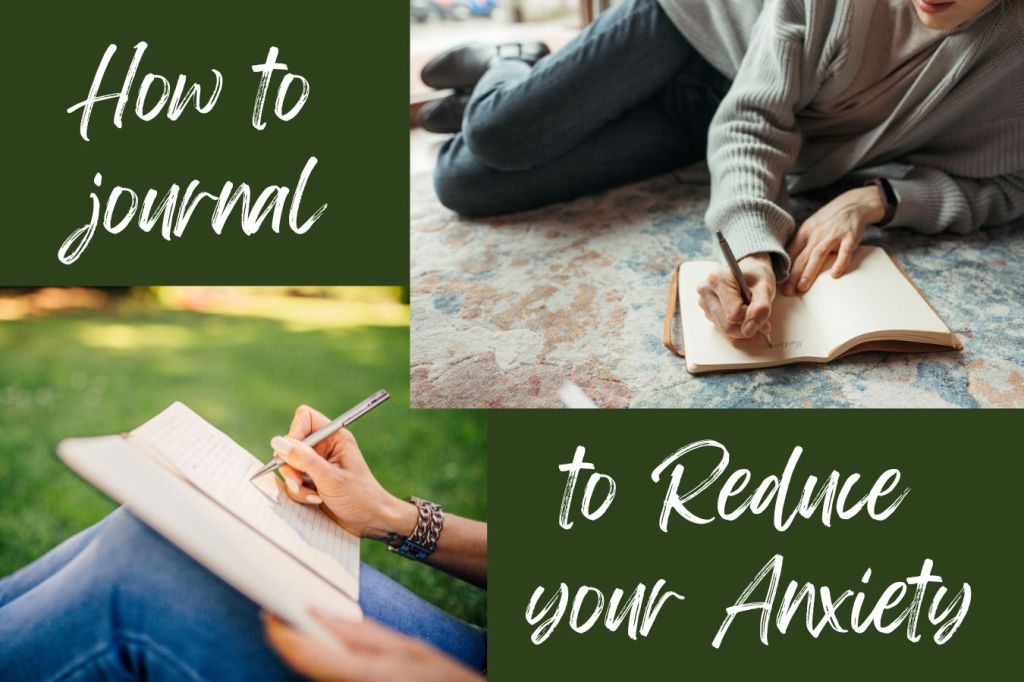
Anxiety and Creativity go hand in hand when it comes to recovery. Journaling to process your Anxiety and develop a new mindset, all while training yourself for a new skill set is an obvious win, and for the majority of people who try this type of added self-therapy, you will see an improvement in your Anxiety by an average of nearly 10%. (It is suspected that the benefits could be even greater for some people.)
With a few caveats.
Women respond much better to Journaling for Anxiety than men do, and the older you are, the less effective journaling tends to be. Also, the full effects of journaling usually don’t show until you’ve completed a full month’s worth of this type of adjunct therapy.
All that said, Journaling is considered to be a low cost, low risk, with a moderate efficacy type of supplemental Anxiety treatment, and is advocated to hopefully normalize within the health industry as a more popular form of treatment. Journaling allows you to face your Anxieties, all while distracting you from their full effect while you challenge your fears as you journal. Also, as discussed in my Creative Arts Therapy post, creative activities that involve the use of your hands are rated as highly effective forms of therapy for people with either Depression or Anxiety.
Let’s take a look at different ways to help anxiety through journaling.
Getting Started
First off, there are several types of journaling you could try. Whichever you choose, there are several widely accepted (and promoted) types of journaling techniques for you to use, either on their own, or in combination with each other for managing anxiety.
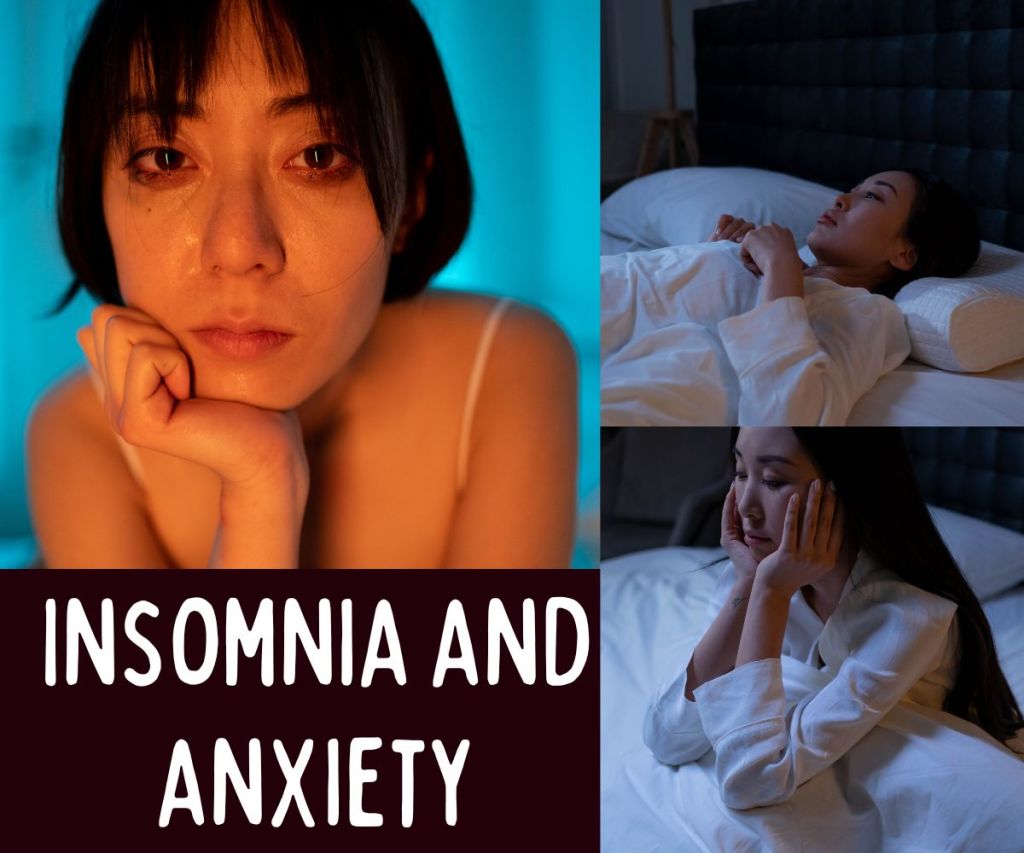
It may also be good to keep tabs on your anxiety symptoms, especially anything revolving around issues with Insomnia or Depression, or even relationship issues, as these added challenges make dealing with your Anxiety even tougher. So as an occasional prompt it may be helpful to list your most recent symptoms and struggles just to keep tabs on your general health and wellness, and as a marker for what you may need on your next mental health day.
Gratitude Journaling
As you might practice in different types of therapy, sometimes to help disrupt the paths of Anxiety running through your brain, you need a distraction. And what better type of distraction, than the one that involves positive thinking and reframes the way you view yourself, your life circumstances, your career, your relationships or even the world? While it may feel impossible to come up with things to be grateful for when you’re in the middle of an Anxiety meltdown, I have a few journaling prompts that can hopefully help you to start up those positivity and gratitude muscles.
Examples of Gratitude Journaling:
- What are three things I am currently grateful for?
- What do I appreciate about myself?
- What are three things I’ve done lately that I feel proud of?
- What’s the last thing that made me smile?
- Who do I have in my life I’m grateful for? Why?
- Who is someone I could write a thank you note to for how they impact my life?
- Does not need to be sent.
- Try writing out the note anyways.
- Who supported me when I was feeling really down or needed help?
- What’s something I like about my career or school?
- What’s something I like about where I live?
- What’s my favorite season? Describe it fully.
- What’s my favorite place to visit?
- What’s a meal I ate recently that I really enjoyed?
- How am I growing or learning lately?
- What would I do to relax and find joy?
- Is there anything I’m taking for granted? (Home, nature, people, etc.)
- And how could I appreciate them more?
- How has my mindset changed since I started journaling?
Expressive Writing
This is where you write down your deepest fears and describe them to yourself, and maybe try to remember when you first started to experience these types of fears. Once you’ve done this, it can be easier to analyze the larger emotions you feel if you understand where they stem from, how deeply you feel them and own how much these fears affect your daily behavior.
Examples of Expressive Writing might involve:
- One of the fears I have but don’t like to talk about is …
- One of the most frequent fears I have is …
- Whenever I get tired it feels like …
- Whenever I experience conflict with family or a friend I …
- For me, a bad day is …
- Sometimes my mind gets fixated on … and it makes me feel …
- I can’t seem to deal when …. happens.
- Doing (insert activity) makes me anxious. On a scale from one to ten, ten being a full blown panic attack, I can’t manage to do …. (Describe how this makes you feel.)
- I feel _____ after I journal.
Intervention
This type of journaling is more self reflective, where you acknowledge your fears, but stop to assess how realistic your anxiety are. In some of your journaling sessions, you might also explore how best to handle some of the more routine thoughts you have that cause you anxiety.
Examples of Intervention Journaling to get you started:
- I know my anxiety about ______ is unrealistic. Describe why.
- I know my anxiety about ______ is distressing to me (and my family/spouse). Describe how.
- I can communicate my anxiety over ________ with a trusted person, and ask them for help to remind me when I’m struggling that my fears aren’t realistic to what could happen.
- I am capable of handling my anxiety over ______ by _______.
- The chances of _______ actually happening is ______.
- ___________ really upsets me and causes me a lot of anxiety because ______.
- Today I am feeling more fearful of ________ happening. Why do I feel more anxious today?
- Whenever I think of ___________ I tend to become very anxious. How can I work around these thoughts so I can be more rational about them?
- Journaling has helped me by _______.
Self-Efficacy
This type of journaling involves tackling your self esteem issues, as well as finding ways to encourage yourself to a happier future. Affirmations and acknowledging your positive qualities is a great way to reframe the way you view yourself.
Examples to get you started:
- When I do _____ I feel my most powerful.
- When I do _____ I remember my strengths.
- I am very good at _____ and can use that to help me tackle my anxiety by ______.
- I am capable of working towards remission by ________.
- Anxiety doesn’t have to stop me from __________.
- Feeling anxious is temporary. Here’s what I want my life to look like. Here’s a list of small goals to work towards to help me get there.
- I am living my life at my own pace. Here’s how far I’ve come:
- I am not the only one struggling with Anxiety. Here’s how I plan to connect with others who have the same or similar struggles:
- I don’t like _____ about myself, but I can learn to accept it by __________.
- I don’t like _____ about myself, but I can change that by __________.
- I’ve been told that I’m good at ________.
- Today is an opportunity for me to learn how to _________.
- Tomorrow is an opportunity for me to ____________.
- My current struggles are helping me to learn that ______________.
- Trying ______ could help me to deal with my _____ anxiety.
- Journaling has helped me to _______.
Anxiety Disorder Specific Journaling
While some people may be fine tackling journaling with the above prompts, for some, you may prefer to have journal prompts specific to the Anxiety Disorder that you struggle with. That is not only okay, it’s actually an effective use of this type of supplemental therapy. Increasing your sense of self-efficacy is huge, and answering prompts more specific to your particular struggles could be a huge turning point for you.
PTSD
- Have I faced the trauma I experienced? Why or why not?
- Who could be a safe person to talk to about my PTSD?
- When I think of the trauma I’ve experienced I feel ____________. (mental/physical/emotional)
- Am I avoiding anything I shouldn’t because of my trauma?
- Is there a way to take back my power?
Specific Phobia Disorder
- Where do my specifc phobias come from?
- When did my phobias start?
- Is there anything else from that time that was traumatic or stressful for me?
- How have I been doing lately with handling my phobias?
- Have I tried to face my phobias this week? How did it make me feel?
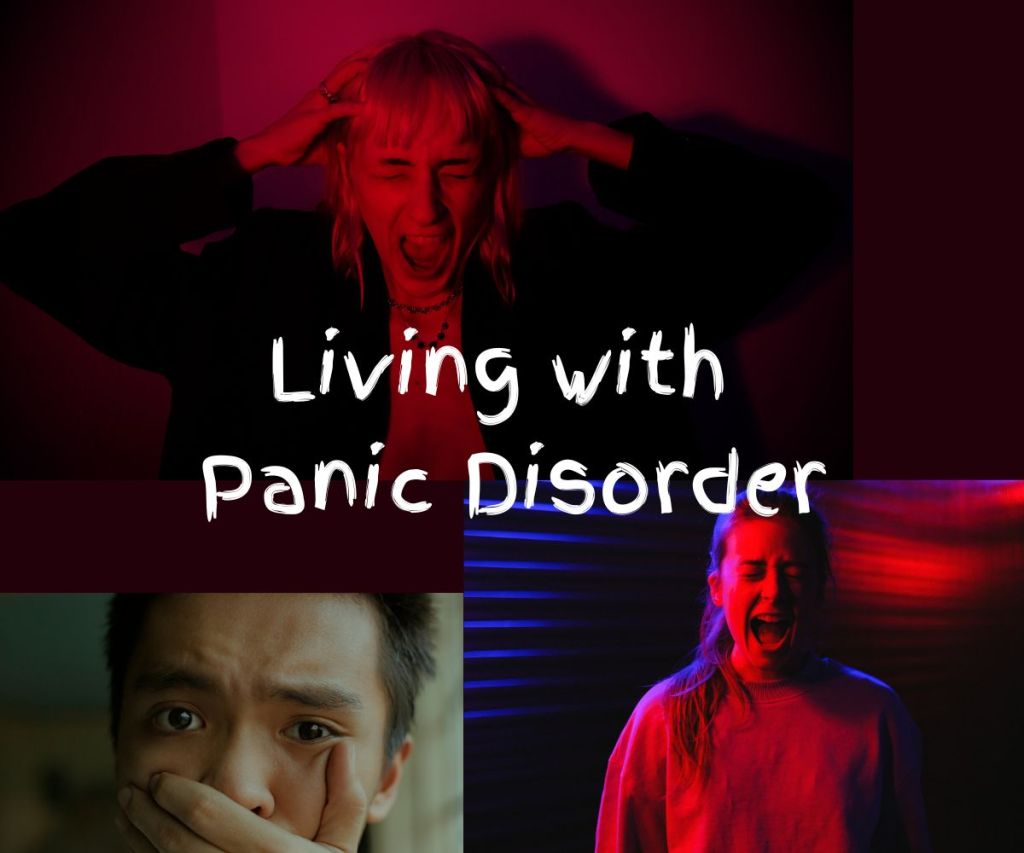
Panic Disorder
- When was the last time I had a panic attack? What happened? How did it make me feel?
- Am I still functioning with my panic disorder and doing what I need to do, or am I starting to shut down?
- When I consider leaving the house, how do I feel?
- What ways am I trying to practice managing any panic-like symptoms?
- Has a pattern emerged with my panic attacks, or when I feel most anxious?
Separation Anxiety
- What happened the last time I was away from my trusted person?
- If I haven’t communicated my struggles yet, how could I explain things so people could understand how being left alone affects me?
- When did I first notice my separation anxiety?
- Have I spent time alone this week? How did it make me feel?
- Would reaching out to new acquaintances be a positive thing?
OCD
- On a scale from 1 to 10, how bad has my OCD been lately? Why is that?
- Have I noticed any new obsessions or compulsions lately?
- Are the intrusive thoughts under control, or is it difficult to focus? What types of intrusive thoughts have I been having lately?
- If I asked a family member, close friend or partner for a score on how I’m doing lately, what would they say?
- Have I found ways to approach challenging situations without needing to perform compulsions, even if it’s not every time?
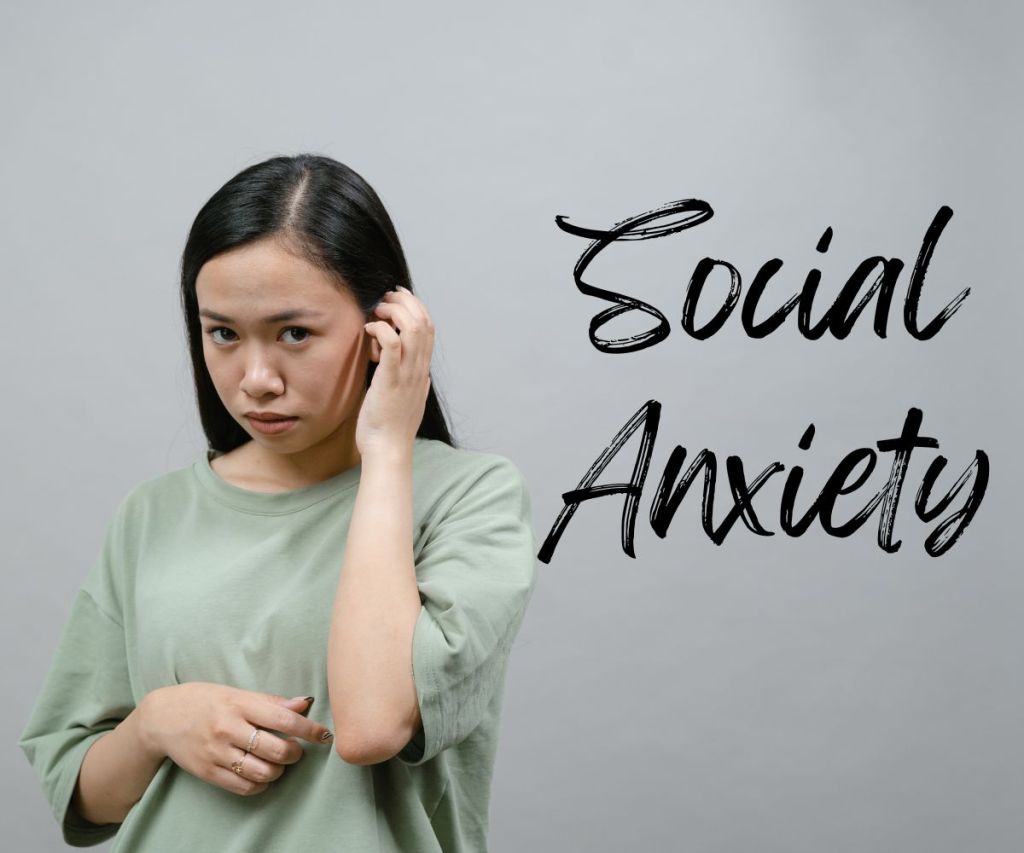
Social Anxiety
- What was the last conversation that I enjoyed?
- Have I met someone lately that I interacted with that didn’t cause me (significant) anxiety?
- Am I missing out on anything because of my social anxiety?
- What’s something I could do to help get myself ‘out there’ more?
- Hint: who could I ask for help? mindset? goal-reward? anxiety symptom prevention?
- When did I first notice my issues with social anxiety? Did anything significant or distressing happen around then? Is it likely to repeat?
High Functioning Anxiety
- In what areas of my life do I push too much?
- When was the last time I let myself rest?
- Have I told anyone about my struggles with high functioning anxiety, or have people mentioned to me that they’ve noticed my struggles? Would I be willing to tell anyone?
- What needs to change in order to prevent my constant burnout? What changes do I need to make?
- What would I do on my ideal Mental Health Day?
Health Anxiety
- What was the last sensation or discovery that triggered my health anxiety? How did I deal with it?
- How many healthy days have I had lately? What does the word ‘healthy’ mean to me?
- How do I feel about my body?
- What are some things I could do to celebrate my health and body?
- Diet, exercise, adventure
- When I do feel something uncertain, how does it make me feel?
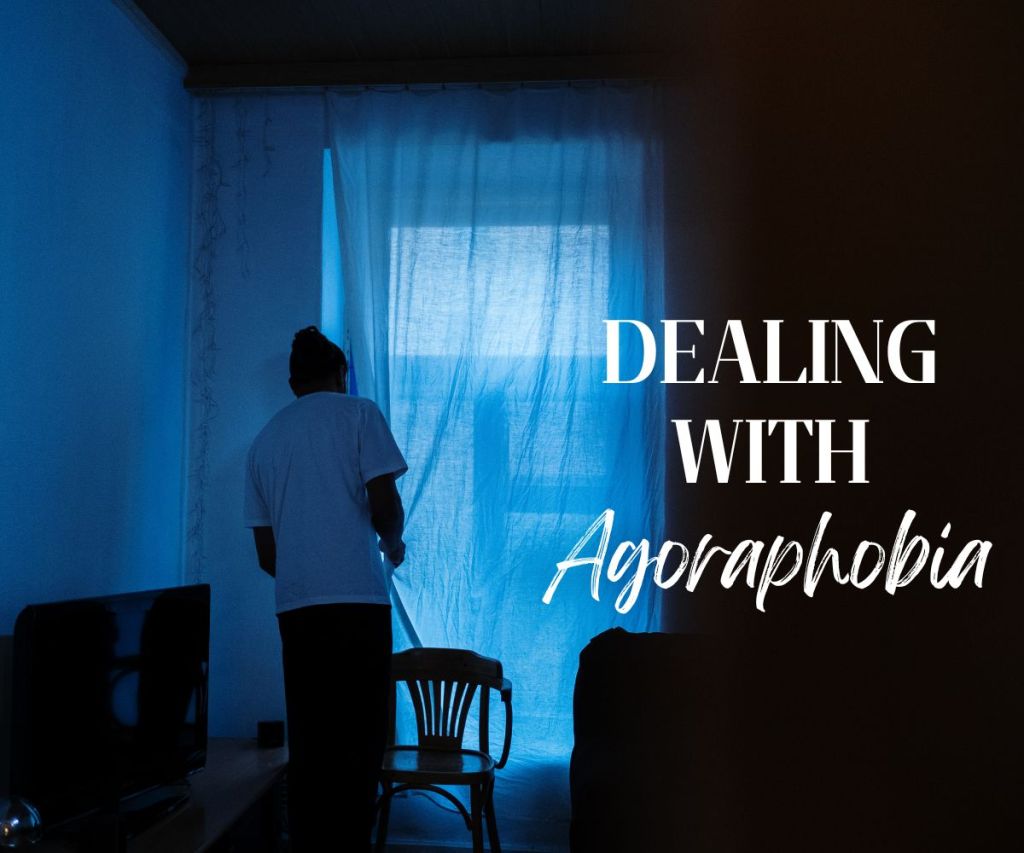
Agoraphobia
- When was the last time I left the house? What did I do? Where did I go? How did it all make me feel?
- When I think about going to certain places, how does it make me feel?
- When did I first notice my Agoraphobia? What else was going on in my life at the time?
- Who is someone who understands my struggles who I could ask for help, or to ask to come visit?
- What outing can I plan that might make me excited (or even just okay) to leave home?
Selective Mutism
- When did I first notice my issues with selective mutism? What else was going on in my life at the time?
- Is my selective mutism present around types of people, or an individual person?
- What person do I have in my life to communicate about my issues with?
- When I’m around people that I can speak in front of, it makes me feel _______.
- Is it better for me to create healthy boundaries and not be around a specific person, or is it better for me to try and tackle my selective mutism?
Complex Post Traumatic Stress Disorder
- What caused my CPTSD?
- Has my life situation or relationships changed since I first began to experience trauma? Should things change? What can I do to change them?
- How have I taken back my power since first experiencing CPTSD?
- Where does it hurt on my body? In my mind? What makes things worse?
- What people/circumstances in my life make things feel better or less stressful? What people/circumstances don’t help for me to be around?
Conclusion
There are plenty of ways to approach journaling, choose whichever method interests you the most, then go from there. Journaling regularly for a minimum of 20 minutes at a time, alongside the knowledge that what you write isn’t going to be analyzed or even read can give you the freedom to explore the depths of your anxiety and realize just how capable you are of overcoming your challenges with your anxiety disorder. Give yourself a month with this discipline and you just might notice a significant reduction in your anxiety.
Remember: this is for you only. So don’t worry or put any pressure on yourself about how much you write, your penmanship, or if the things you write seem irrational or would be in any way embarrassing for you to share with someone. The most effective types of journaling are when you know that you can put the most raw version of yourself down on the page and never have to worry about anyone else’s reactions.
May God Bless and Keep You.











 All The Anxieties
Leave a comment