The information provided on this site is for educational purposes only and does not substitute for professional medical or psychological advice. Consult a medical professional or healthcare provider for advice, diagnoses, or treatment. All the Anxieties is not liable for risks or issues associated with using or acting upon the information on this site.
Women are twice as likely as men to deal with an anxiety disorder and while there are many potential contributing factors to this statistic: gender reporting bias, trauma, genetics, stress, environment, etc., there is also the question of hormones and how they affect you.
Both men and women go through cyclical hormonal shifts, as well as periods of change, but when you take menstruating women or cis females (a person assigned the gender of female at birth and who identifies as a woman) and you add estrogen fluctuations into the cocktail of life experiences, genetics, and current stress levels, what becomes clear is that being a woman (read cis females) puts you at greater risk for depression and anxiety.
Let me explain.
Everybody has estrogen, testosterone, and progesterone in their bodies. Men and women- we all produce them in differing levels. Some people are able to maintain healthier, or more balanced, levels, while others struggle to maintain this balance. In Men, estrogen dominance, or too much estorgen, can manifest as infertility, erectile dysfunction or depression. In Women, too much estrogen can lead to mood swings, anxiety, panic attacks, depression, heavy periods or even weight gain.
Low estrogen in men can result in a feeling of being physically weak, bone loss or loss in bone density, mood irregularities or a lowered sex drive. Low estrogen in women can mimic the same symptoms men experience, but with the added complications of irregular periods, painful sex, and increased risk of depression and anxiety.
Whether you are high or low in estrogen, it isn’t good news for anyone, especially a woman, already struggling with anxiety. But how does unbalanced estrogen increase your chances for anxiety?
Hormones
There are over 50 hormones found in human beings and they control every life process we go through, from reproduction, to growth, to energy production or controlling our blood sugar levels. When any one of these gets out of whack, things can go haywire very quickly.
Reasons for low estrogen levels:
- Age
- In cis females this is referred to as menopause and is the most common reason for low estrogen in women
- Eating disorders
- There isn’t enough nutrition being absorbed for the chemical process of producing hormones to take place.
- Genetics
- Turner syndrome
- Fragile X
- Autoimmune diseases
- Autoimmune conditions can attack your ovaries and prevent them from doing their job. Women are more likely to battle autoimmune issues.
- Pituitary gland conditions
- Ovary failure or affectedness
- From chemotherapy
- Ovary removal- partial or full
- Hypothalamic Amenorrhea- temporary stopping of regular menses
- More common in cis female athletes
- A result of stress or excessive exercise
- The brain doesn’t release the hormone that stimulates estrogen production.
Reasons for high estrogen levels:
- Stress
- High levels of stress is associated with higher levels of cortisol which reduces your body’s ability to produce progesterone which, in normal circumstances, help to balance your estrogen levels.
- Alcohol
- Too much alcohol increases your output of estrogen and lowers your body’s ability to metabolize estrogen healthfully.
- Body Fat
- Fatty tissues release estrogen, contributing to an excess in the presence of higher levels of body fat.
- Hormone Therapy
- Different medications meant to affect your estrogen levels in a positive way may not have the desired effect, which is why keeping an eye on your response to new medications is essential.
- Chemical exposure
- Substances found in common cleaning products (BPA, phthalates), pesticides, soaps and shampoos can all contain chemicals that contain synthetic xenoestrogens that act as estrogen once they’re absorbed into your body.
- Remember: anything you put on your body (skin, hair) goes into your body.
- Health issues
- Liver issues- a low functioning liver can accumulate too much estrogen
- Breast Cancer
- Ovarian Cancer
- Uterine Cancer
- Endometriosis
- Insulin Resistance
- PCOS
- Ovarian and/or adrenal tumors
Facts about estrogen
There are three types of estrogen in your body:
Estradiol, which is the main hormone produced during your reproductive years.
Estriol, the main hormone produced during a pregnancy.
Estrone, the main hormone produced during menopause or post menopause. This is also weaker than Estradiol.
Whichever form of estrogen you are currently functioning on, estrogen increases neuroplasticity, which is a good thing, especially if you have anxiety. Increased neuroplasticity allows you to do a better job of managing stress, learning new skills, and adapting to change– something anxiety inhibits.
But because cis females go through sex hormone fluctuation, and each woman’s response to those levels is different, women tend to struggle more with anxiety and depression when they reach the part of their menses that typically exhibits the lowest amount of estrogen production (follicular phase-menstruation).
If you think your estrogen levels are dipping lower than is manageable at that time, it may be good to take some preventative measures in the days leading up to your menstruation, or during it, until your levels return to ‘normal’.
Also- Cognitive Behavioral Therapy is a practical way to increase neuroplasticity, something to keep in mind if you deal with chronically low estrogen levels and an anxiety disorder.
How to balance estrogen
Diet and environmental factors affect gene expression, so if you struggle with low or high estrogen, here are some suggestions to help you balance your estrogen levels.
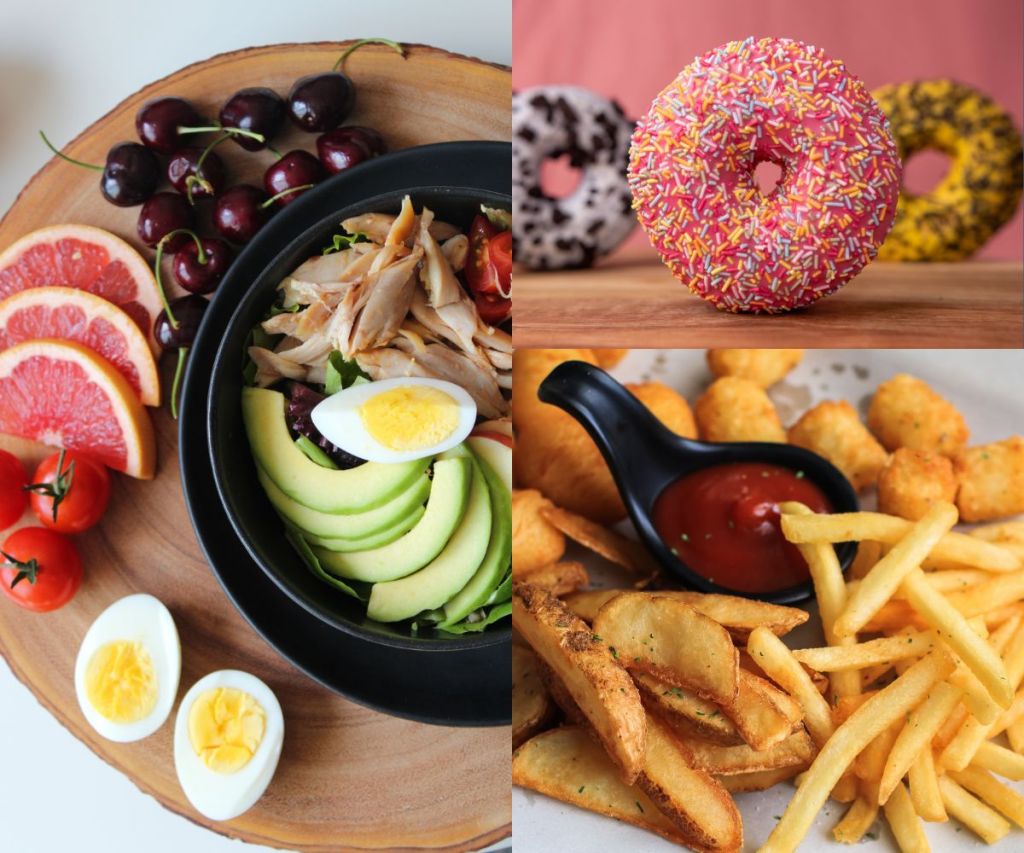
Foods to eat
Foods high in phytoestrogens (plant based compounds that are similar to estrogen) could be a great addition to your diet if you’re struggling with balancing your estrogen. There are a few caveats, though. Everyone responds to different diets in their own unique way, so try to pick what works for you and what you can sustain. Also, soy based phytoestrogens can have a higher chance of having a negative impact on you, depending on your genetics and environmental factors, so keep close tabs on how you respond to soy or soy products as you look to balance your estrogen levels.
- Fruit
- Berries, apples, plums, peaches, grapes
- Vegetables
- Spinach, brussel sprouts, broccoli, onions, kale
- Nuts or seeds
- Peanuts, almonds
- Sesame seeds, flax seeds, sunflower seeds
- Soy
- Soybeans, tofu, miso/miso products
- Grains
- Oats, Barley, Wheat
- Liquids derived from plants
- Tea, coffee, beer, red wine, olive oil
In terms of dosage- aim for 50 mg daily, roughly half a cup.
Foods/Drinks to Avoid
Like with any other health related diet choice, avoiding red meat, processed foods, refined carbs and sugary treats will keep you healthy and help you to maintain a balanced amount of hormones, especially estrogen. Heavy alcohol isn’t your friend here, either.
Healthy Habits
Exercise
Don’t overdo it, but try to make sure you engage in moderate amounts of exercise to maintain a healthy body weight.
Nutrition
Your body needs enough of the ‘right stuff’ (all the healthy foods mentioned above) to balance your output of estrogen.
Sleep
When you’re sleep-deprived nothing works correctly in your brain and you need it to send the correct signals to your endocrine system to make that estrogen at the appropriate levels.
Birth Control and Estrogen
There are lots of options out there, and if you’re looking for contraception, or a way to manage painful periods, your doctor could let you know which type of birth control is right for you. Whatever your goal is, the purpose of birth control is to level out your hormones so that you don’t have to deal with as many ‘highs’ or ‘lows’.
Sounds good for your anxiety, right?
Well, finding the right birth control can require some testing and trying out different methods. Some people find that certain types of birth control put them on edge, while others may not notice anything negative. Whatever you’re feeling, don’t be afraid to speak up if you do feel ‘unbalanced’ or anxious after you start birth control. There are lots of options, and it’s possible that if you’re noticing higher levels of agitation, anxiety, or other negative symptoms, you just haven’t found the right one for you, yet.
Conclusion
Hormones, especially in women, can significantly up your chances of struggling with anxiety, especially in a cyclical way. If you think your hormones are affecting your anxiety levels, take some time to analyze your habits with eating, exercise, medications, stress management, and how you’re feeling. It could very well be that your estrogen levels are a culprit for periods of exacerbated anxiety. No matter what’s affecting you and your anxiety, keep looking for what works for you, and for ways to healthfully deal with your anxiety.
May God Bless and Keep You.











 All The Anxieties
Leave a comment